Die casting is a manufacturing process that involves injecting molten metal into a mold under high pressure, commonly used to create parts with complex designs that would be difficult to machine. This makes thoughtful design essential in any die casting project. When designing die cast parts, it’s crucial to consider the die’s structure, the intended application, the production process, and the metal being used. Each element must work in harmony to produce a product that is aesthetically appealing, durable, and functional. Here are some essential design tips to help you achieve optimal results in die casting.

Important Considerations for Die Casting Design

Designing a flawless die cast part can be complex, but the process is rewarding when you see your vision materialize. If you’re aiming for a functional and visually appealing product, consider the following factors during the design process:

  • Metal Choice: Various metals, such as zinc and aluminum, can be used in die casting, each with unique characteristics, including solidification rates and fluidity. These properties should be carefully considered to ensure the metal aligns with the part’s requirements.
  • Production Process: The production process may involve specific elements like inserts or cores, which should be considered in the design. Ensuring compatibility with these elements can streamline production and enhance the final product’s integrity.
  • Die Durability and Precision: The die must withstand the high pressures required for die casting, and the component should be machined accurately to achieve a precise output. This attention to detail minimizes errors and improves product quality.
  • Ejection and Surface Integrity: The design should facilitate easy ejection from the die, ensuring that the part’s surface remains undamaged.
  • Intended Function and Environment: Prioritize the component’s purpose and function. For example, a part designed for a high-stress environment requires a different design approach than one created solely for aesthetic purposes.

Considering these factors helps to achieve a die cast design that meets performance expectations while maintaining a high-quality appearance.

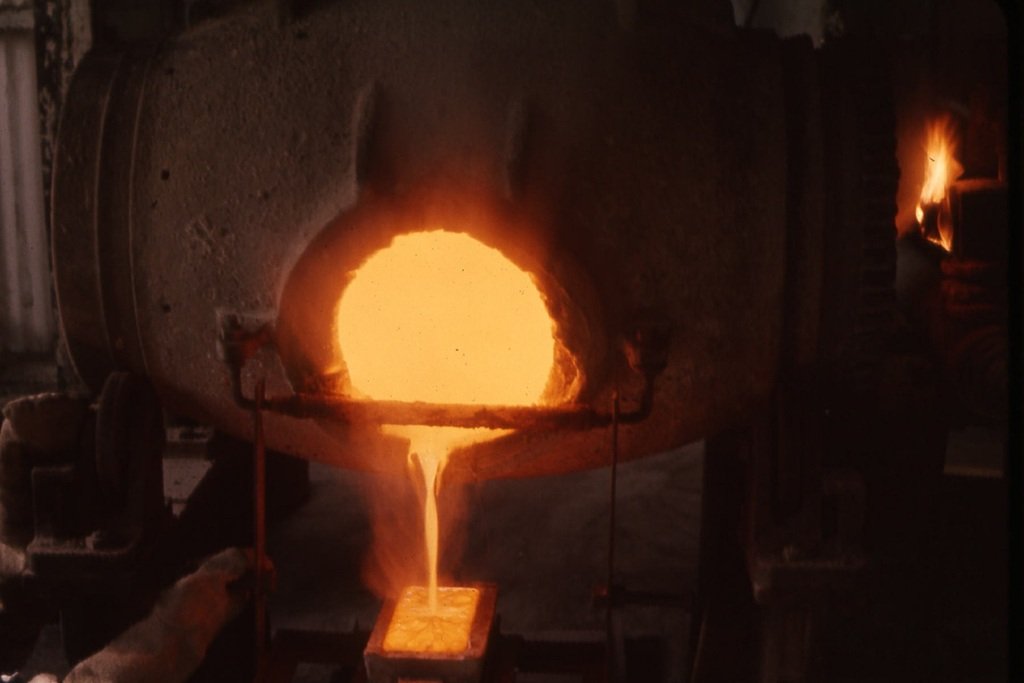
Designing a Die Casting: Important Variables to Keep in Mind

If you want to perfect your die casting design, consider the following variables:

Wall Thickness

When determining wall thickness, consider the weight, stiffness, and strength needed for the final product. Wall thickness impacts various factors, including the pressure exerted on the mold and the cooling time for the part. Ideally, wall thickness should be based on factors such as the production process, materials used, and the shape and size of the part.

Fillets and Radii

Fillets and radii are essential in die casting design, as they create smooth transitions between surfaces and help prevent stress concentrations. This ensures that the final product is durable, visually appealing, and has improved strength.

The size and shape of fillets and radii depend on the application, but they are typically less than one millimeter. Incorrectly sized fillets and radii can negatively impact component strength.

Ribs and Outside Corners

Ribs reinforce walls and enhance stiffness, preventing warping and distributing loads evenly. External corners create sharp transitions between surfaces. When designing die castings, it’s essential to consider both features. The thickness of ribs and external corners will depend on the part’s function. For example, parts subjected to high stress require thicker ribs for additional strength.

Post-Machining Features

Certain features, such as undercuts and threads, can only be added after the casting process, in a stage known as post-machining. This step increases the cost and lead time for die-cast parts, so it’s crucial to consider this factor during design. Features should be designed for easy and precise machining, and ideally positioned to minimize the amount of material removed.

Windows and Holes

Windows and holes are often necessary in die castings to allow fluid flow or connect components. To preserve the die cast’s strength and integrity, these features require careful design. Windows are typically rectangular and located on the side or top of the mold, while holes can vary in shape and placement. Consider the following when designing windows and holes:

  • Place windows and holes away from sharp edges and corners.
  • Use rounded or filleted edges for windows and holes.
  • If windows and holes are on the side of the mold, a higher draft angle is required.

Windows and holes are often added during post-machining, which can increase production time and costs.

By keeping these variables in mind, you can create a die casting design that balances functionality, durability, and efficiency.

Surface Finishing Grades

After the casting process is complete, it’s time to finish the surface of the die casting. The type of surface finish depends on the application of the die-cast product. Initially, the product will have an as-cast surface, and different finishing grades are available to suit varying requirements: Utility Grade, Commercial Grade, Functional Grade, Superior Grade, and Consumer Grade. The choice of finish depends on both budget and specific requirements, though opting for the minimum required grade can help maintain cost-effectiveness.

Parting Lines

The parting line is where the two halves of the mold meet, usually located on the top or side of the component. This line can create a visible seam, so its placement is an important consideration in die-cast design. Here are some key factors to keep in mind:

  • Extremely thin parting lines may damage the part upon ejection, while overly thick parting lines can lead to surface imperfections and unevenness in the final product.
  • Place the parting line in a location where it’s least noticeable to enhance the part’s appearance.
  • Flash, or excess material, often forms along the parting line, but this can be removed in the post-processing stage.

Where to Get Die Casting Services

SEI's market approach focuses on custom casting excellence.

At SEI Castings, we provide die casting services for various applications. Using a range of metals such as zinc, magnesium, and aluminum, we produce complex parts tailored to your needs.

Let us help you find the most cost-effective solution for your die-casting projects. For a quote or to order parts, please email us at sales@seimw.com. Be sure to check out our previous die-casting projects as well.