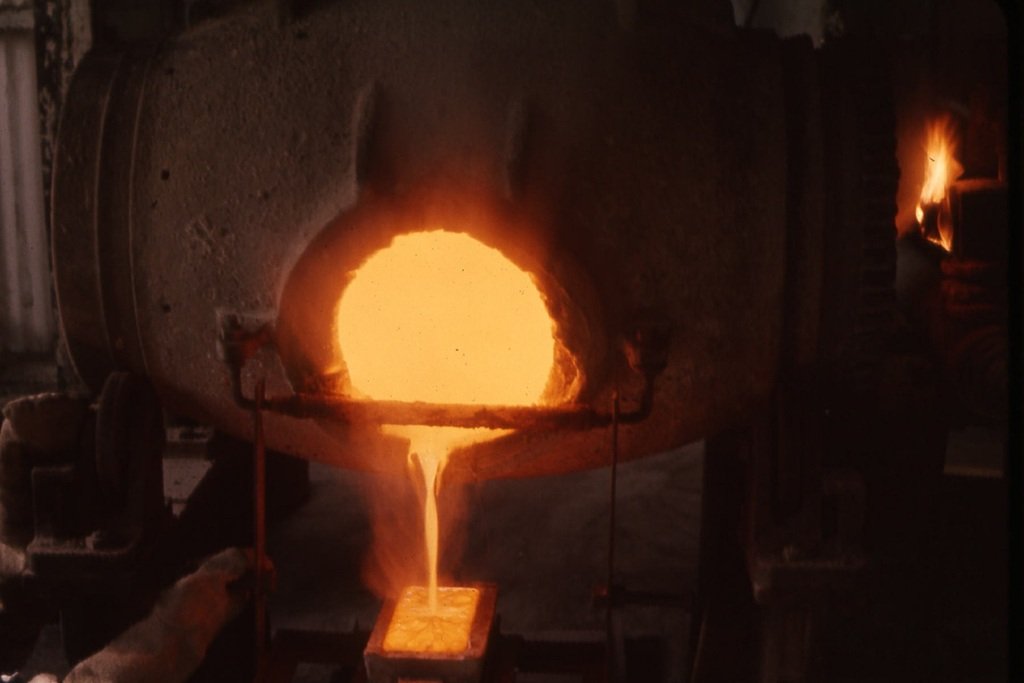
Die casting is a manufacturing process that involves injecting molten metal into a mold under high pressure, commonly used to create parts with complex designs that would be difficult to machine. This makes thoughtful design essential in any die casting project. When designing die cast parts, it’s crucial to consider the die’s structure, the intended application, the production process, and the metal being used. Each element must work in harmony to produce a product that is aesthetically appealing, durable, and functional. Here are some essential design tips to help you achieve optimal results in die casting.
Important Considerations for Die Casting Design

Designing a flawless die cast part can be complex, but the process is rewarding when you see your vision materialize. If you’re aiming for a functional and visually appealing product, consider the following factors during the design process:
- Metal Choice: Various metals, such as zinc and aluminum, can be used in die casting, each with unique characteristics, including solidification rates and fluidity. These properties should be carefully considered to ensure the metal aligns with the part’s requirements.
- Production Process: The production process may involve specific elements like inserts or cores, which should be considered in the design. Ensuring compatibility with these elements can streamline production and enhance the final product’s integrity.
- Die Durability and Precision: The die must withstand the high pressures required for die casting, and the component should be machined accurately to achieve a precise output. This attention to detail minimizes errors and improves product quality.
- Ejection and Surface Integrity: The design should facilitate easy ejection from the die, ensuring that the part’s surface remains undamaged.
- Intended Function and Environment: Prioritize the component’s purpose and function. For example, a part designed for a high-stress environment requires a different design approach than one created solely for aesthetic purposes.
Considering these factors helps to achieve a die cast design that meets performance expectations while maintaining a high-quality appearance.